
A Science Café talk titled “One Planet, One Shared Future: The Struggle for Climate Adaptation” was organized by the Afyon Kocatepe University (AKU) Science Communication Coordination Office.
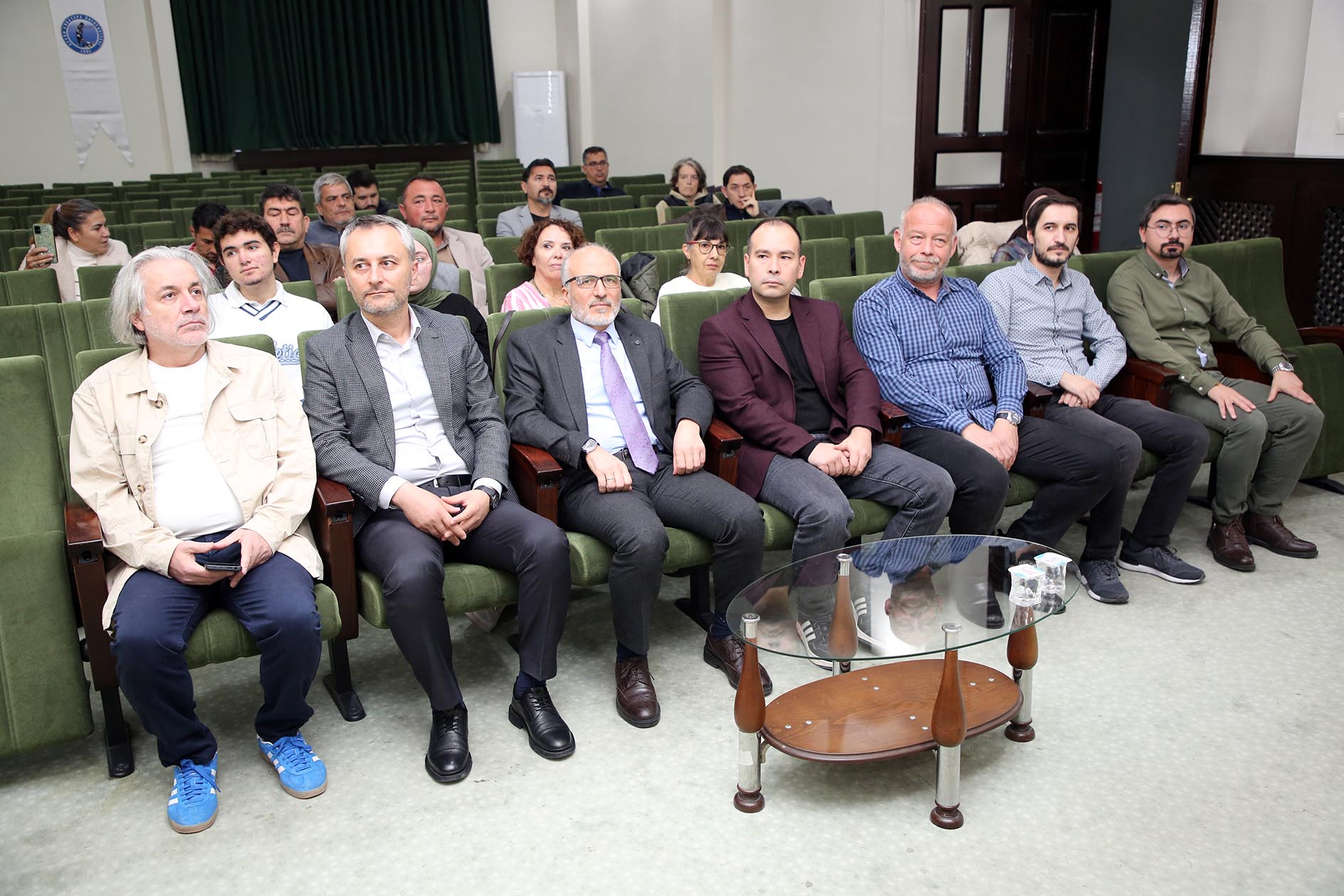
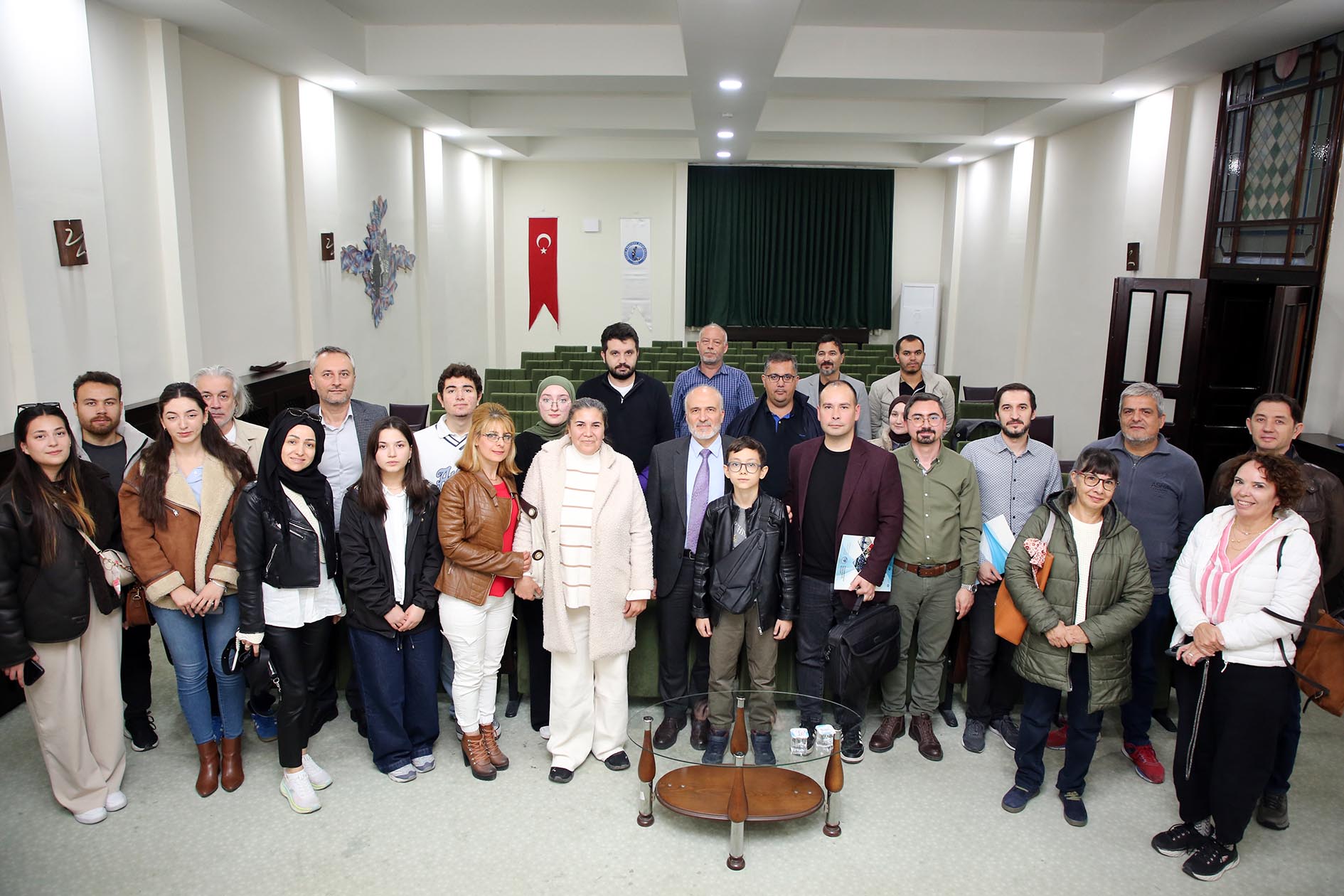
The event took place at the Rıza Çerçel Culture and Arts Center Conference Hall, with the participation of AKU Vice Rector Prof. Dr. Murat Peker, Dean of the Faculty of Economics and Administrative Sciences (FEAS) Prof. Dr. Gökhan Demirtaş, scholars, academic and administrative staff, students, and science enthusiasts. Opening remarks were delivered by Dr. Şerife Özgün Çıtak, Coordinator of Science Communication, who stated that the Science Café events aim to make scientific knowledge more accessible by translating technical academic language into an understandable form for all segments of society.
“Science Café events are also being held in districts”
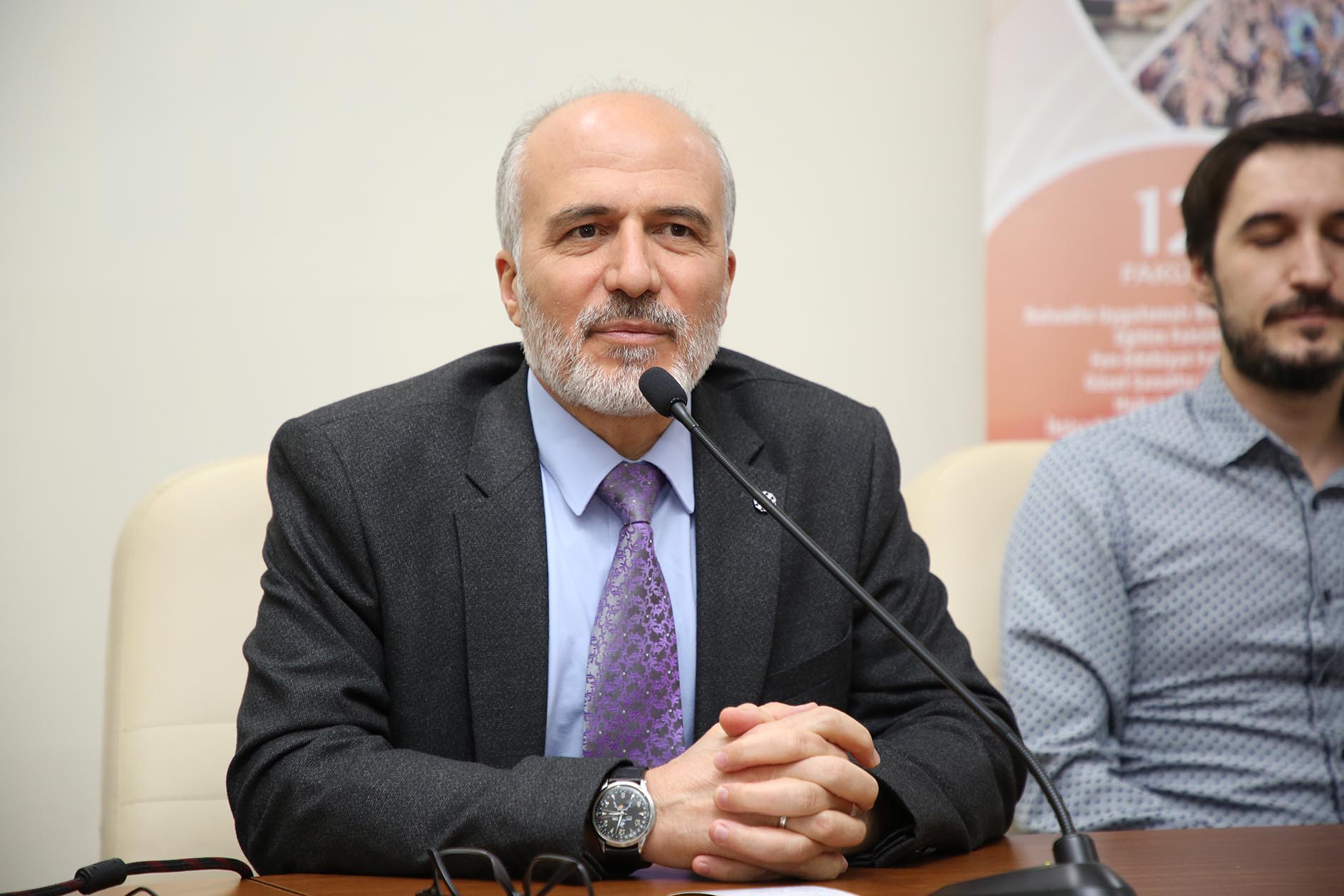
Moderating the session, AKU Vice Rector Prof. Dr. Murat Peker emphasized that the establishment of Science Communication Offices within universities, as initiated by the Council of Higher Education (YÖK), aims to ensure that the knowledge produced by researchers reaches not only academics but also the broader public. He noted that this was the third Science Café event held so far and added that similar activities were being conducted not only in the city center but also in district areas.
“Ensuring a livable world for future generations”
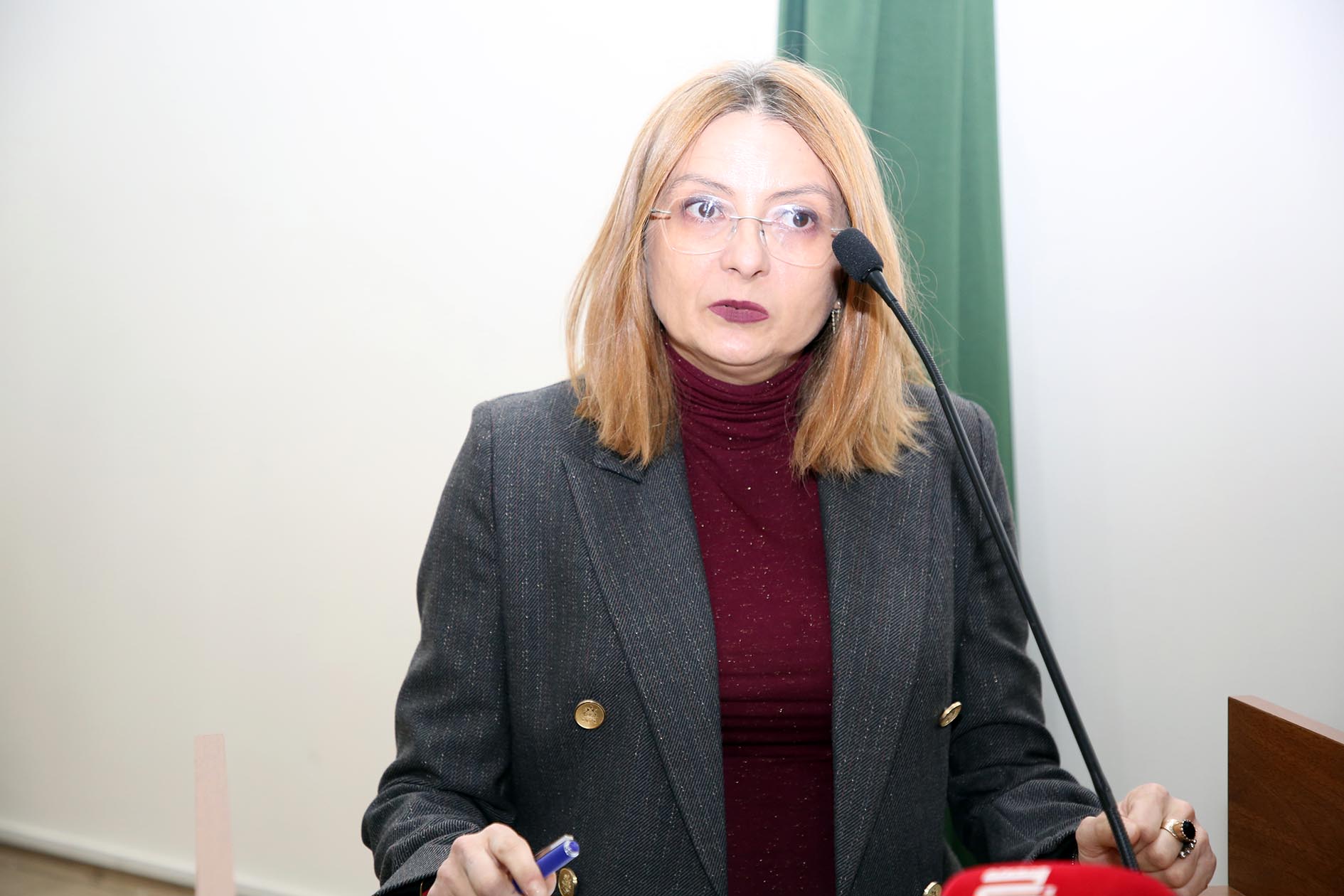
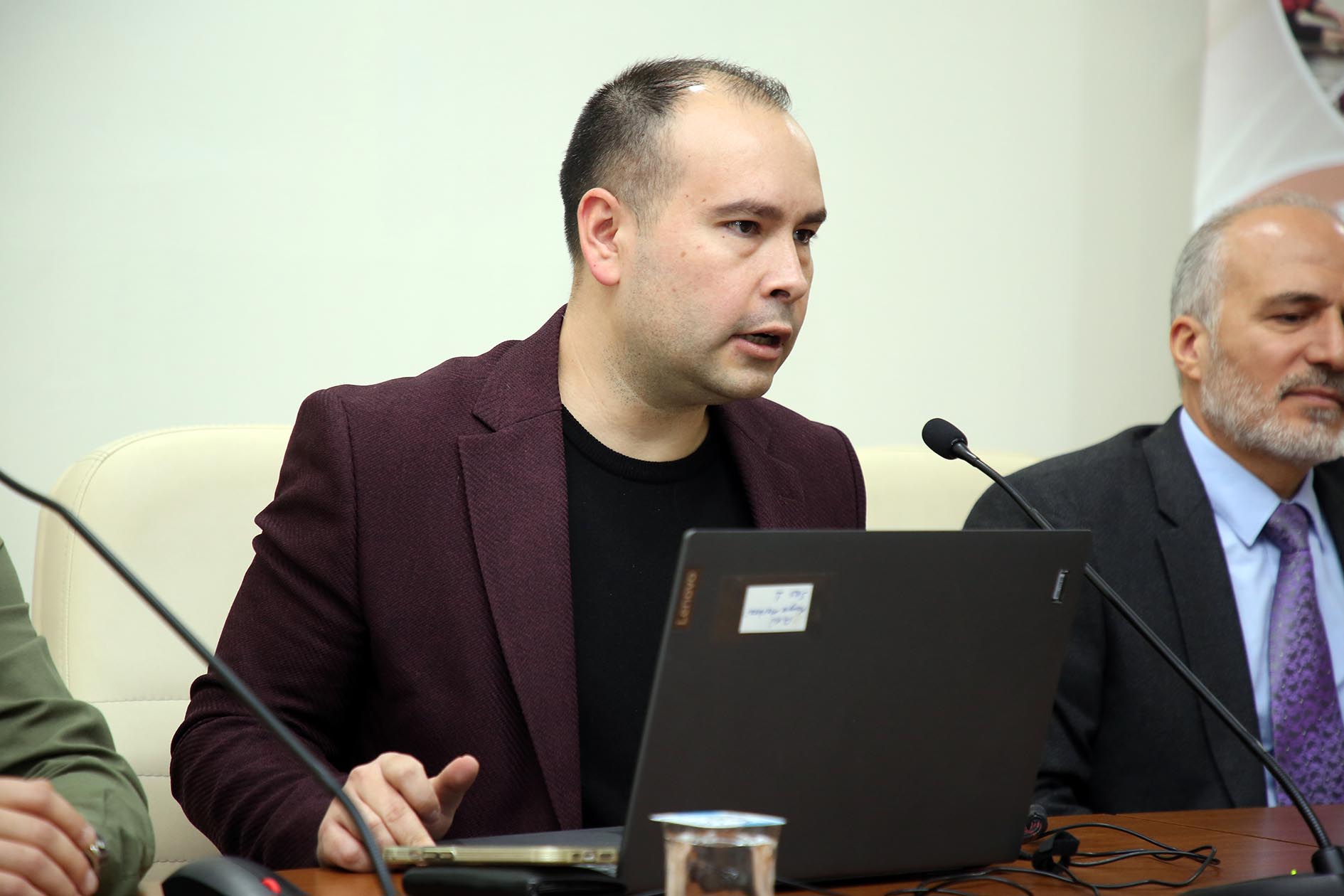
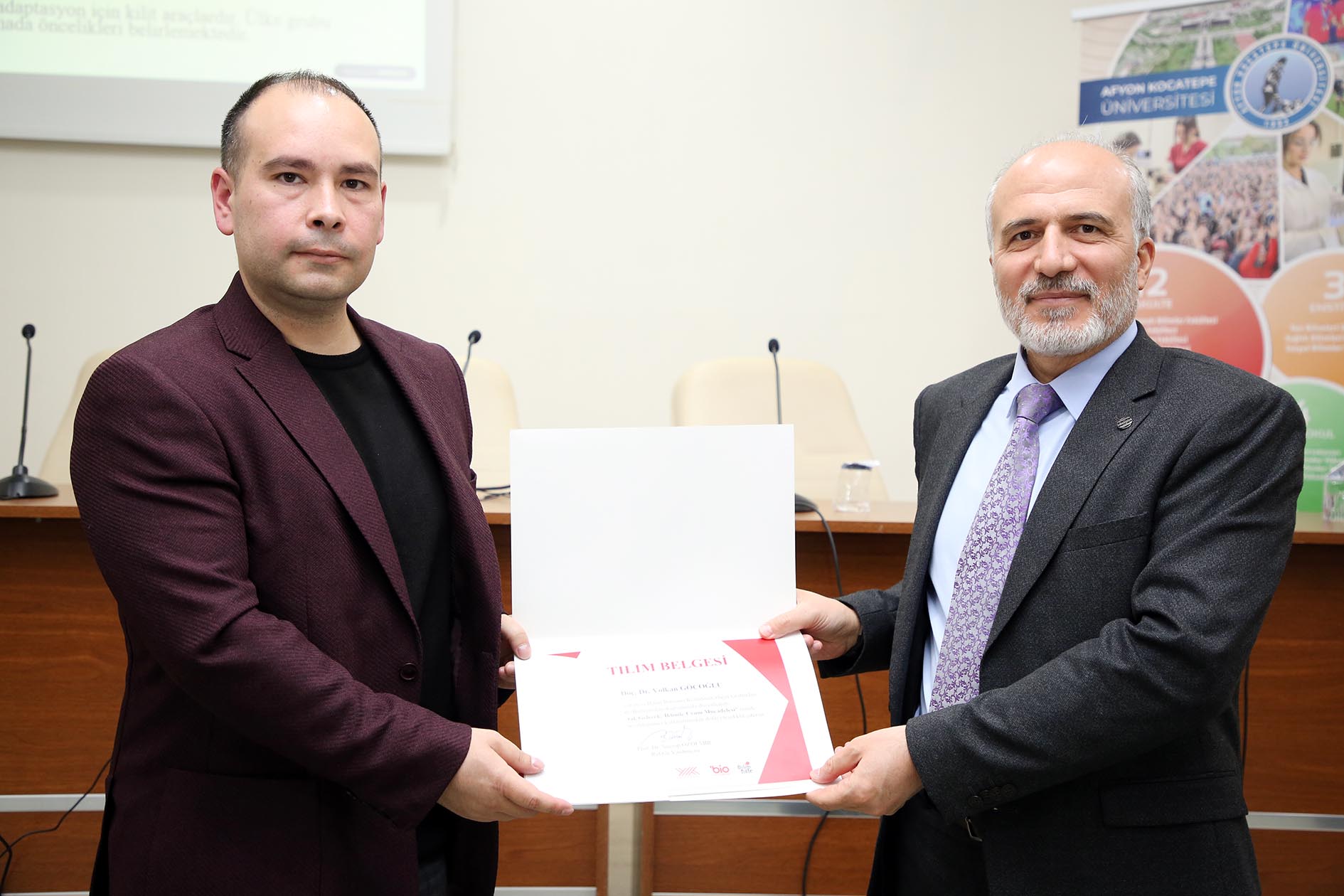
Faculty Member of the Department of Political Science and Public Administration at AKU FEAS, Assoc. Prof. Dr. Volkan Göçoğlu, stated that their analysis was based on Sustainable Development Goal 13 (SDG 13). He explained that they aimed to conduct an interactive session, focusing mainly on the differences between country groups rather than overwhelming participants with technical details. Göçoğlu highlighted that sustainable development is a comprehensive approach that incorporates environmental dimensions into economic development processes, emphasizing the goal of leaving a livable world for future generations. He also pointed out that climate vulnerability is unevenly distributed among countries, leading to different levels of impact depending on national conditions.
“Climate change is on the agenda of every country”
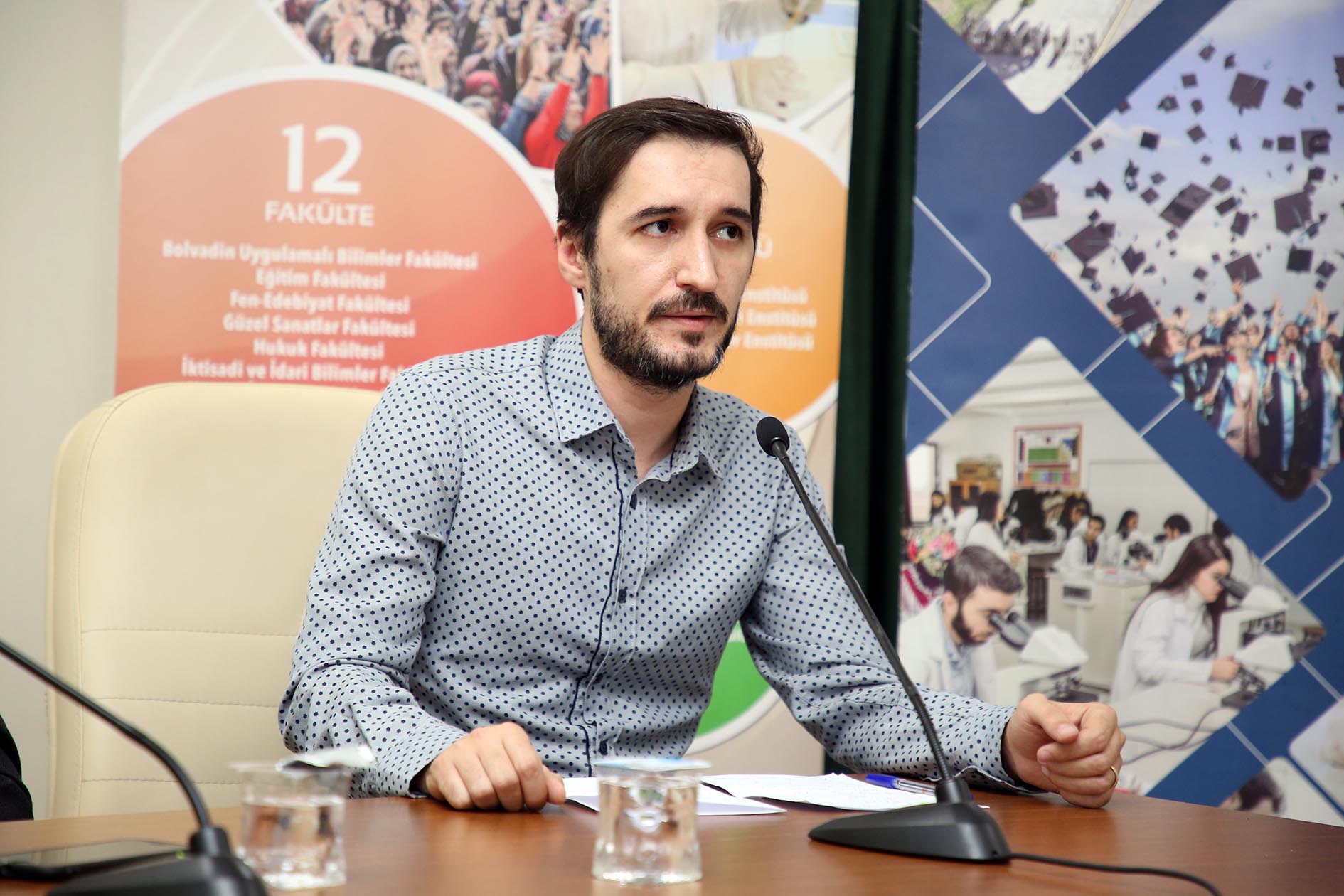
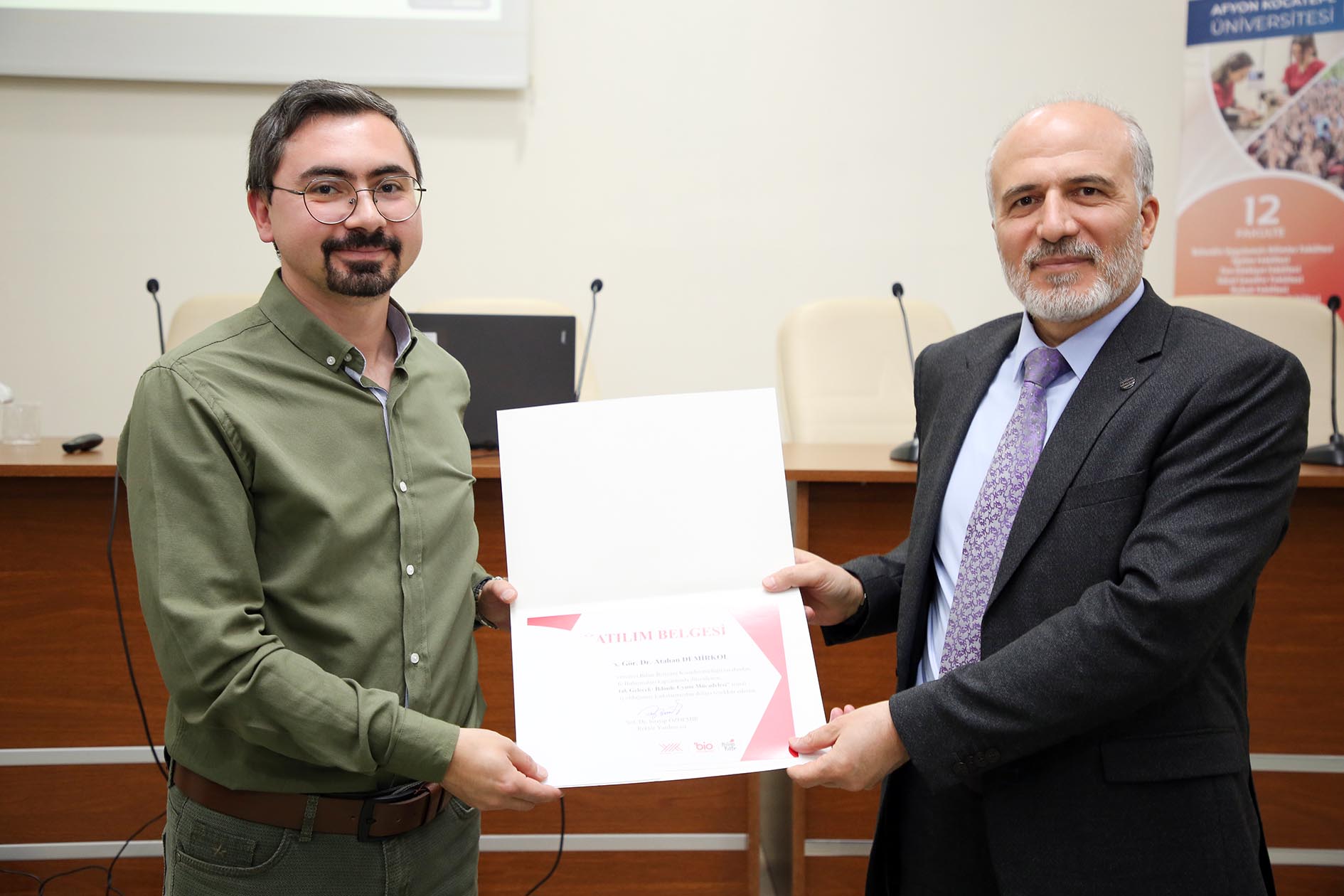
Research Assistant Dr. Atahan Demirkol, from the Department of Political Science and Public Administration, stated that sustainable development has been one of the United Nations’ key priorities since 2015. He noted that their analysis seeks to understand how different groups of vulnerable countries are affected by climate change and how they develop coping strategies. According to Demirkol, countries are classified into Developing Countries, Least Developed Countries, and Island States, each with unique dynamics in the context of climate vulnerability.
Dr. Demirkol emphasized:
-
Developing countries struggle between economic growth pressures and climate mitigation needs.
-
Least developed countries, despite contributing the least to emissions, are the most affected due to insufficient infrastructure and economic limitations.
-
Island states are the most vulnerable due to geographic exposure, rising sea levels, temperature increases, and extreme weather events.
“Reducing vulnerability is the primary goal”
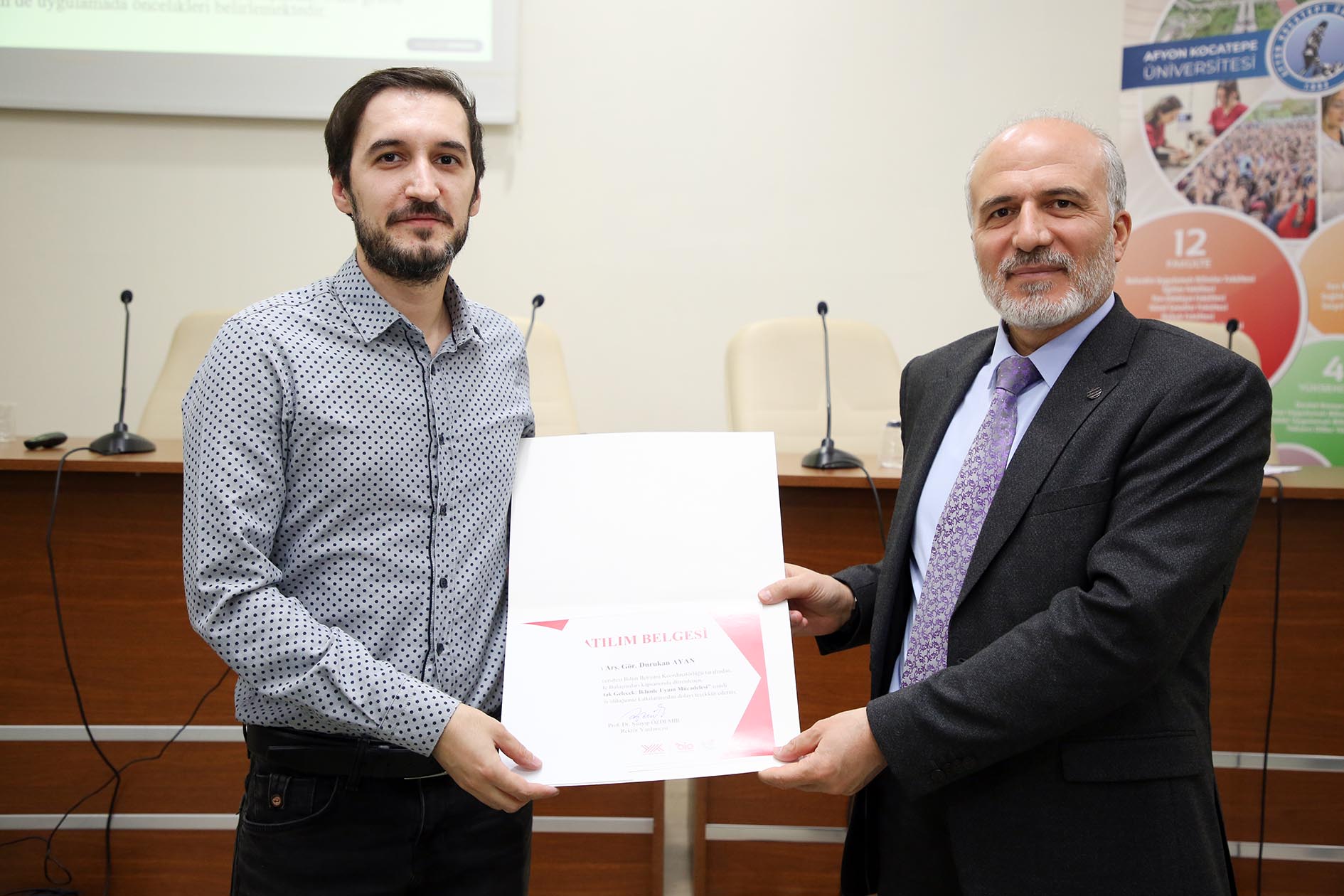
Research Assistant Durukan Ayan explained that National Adaptation Plans (NAPs) serve as long-term roadmaps for countries in addressing the impacts of climate change. He noted that reducing vulnerability is the primary objective, followed by integrating climate adaptation policies into national development plans, sectoral strategies, and budgets.
Ayan further highlighted that NAPs, unlike earlier NAPA documents, provide a medium- to long-term planning framework for different groups of countries under the overarching goal of “Protect Today, Plan for Tomorrow.” He added that NAPs encompass multiple policy areas, including health, water, urbanization, agriculture, and livestock, aiming to place climate adaptation at the center of sustainable development.
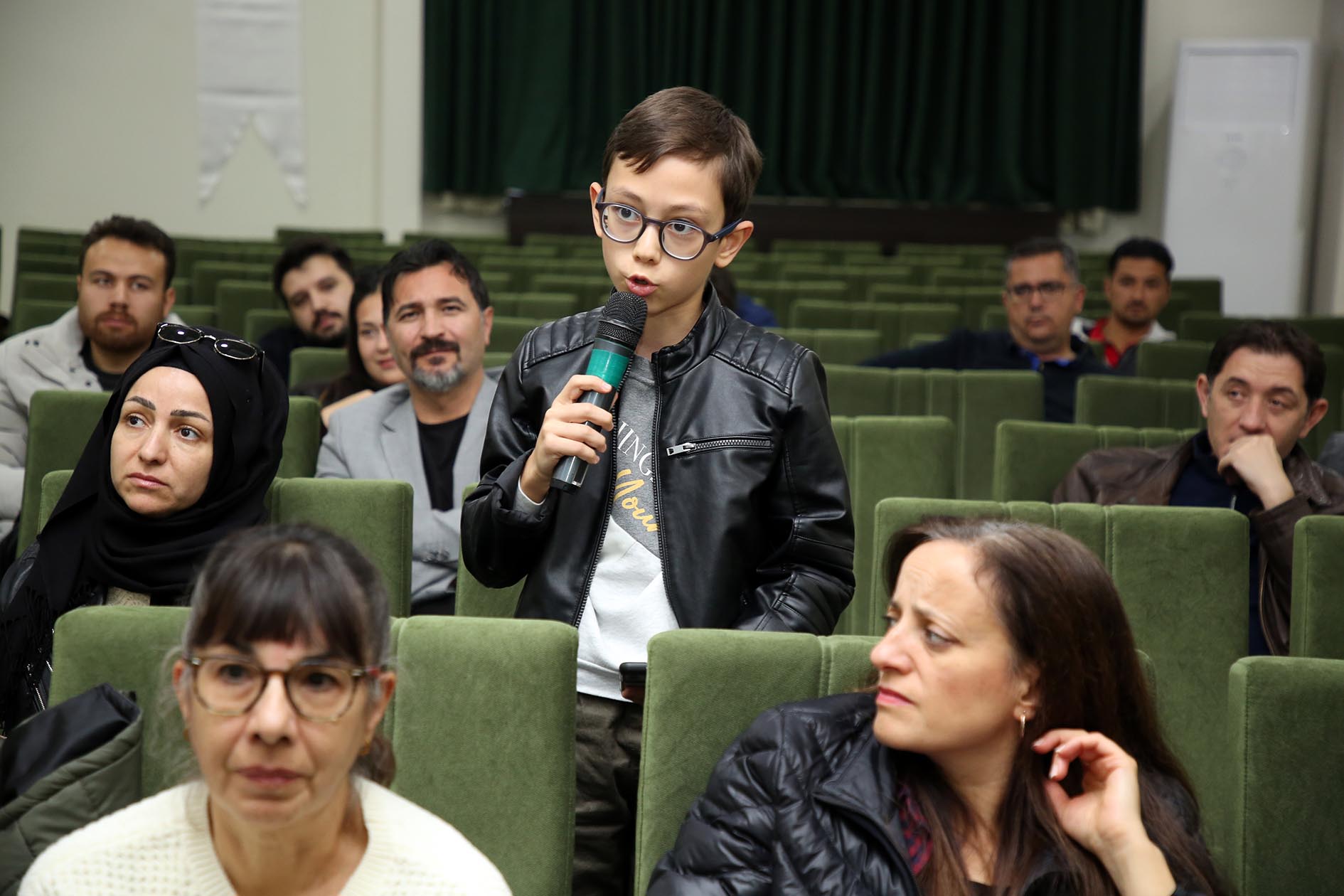
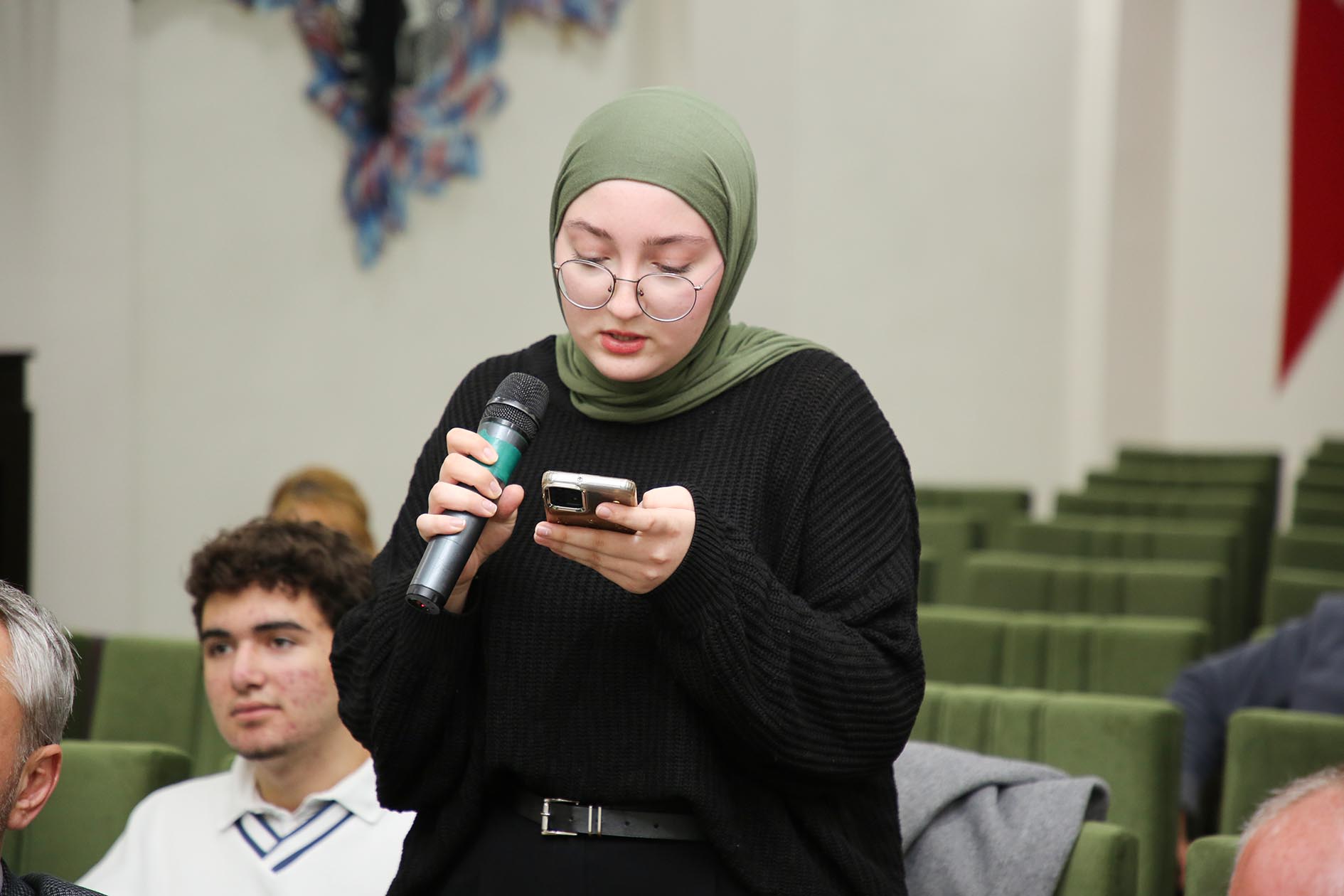
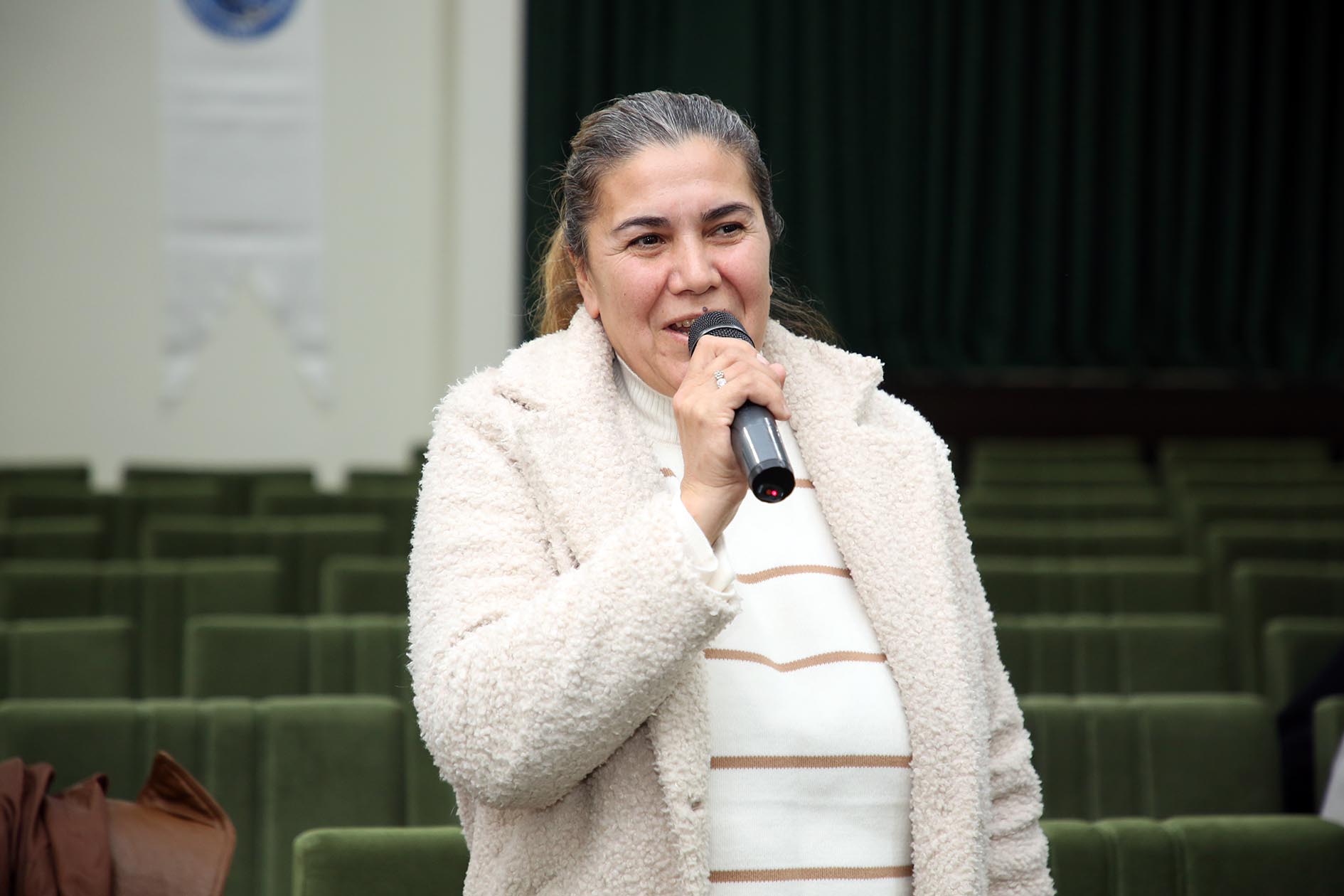
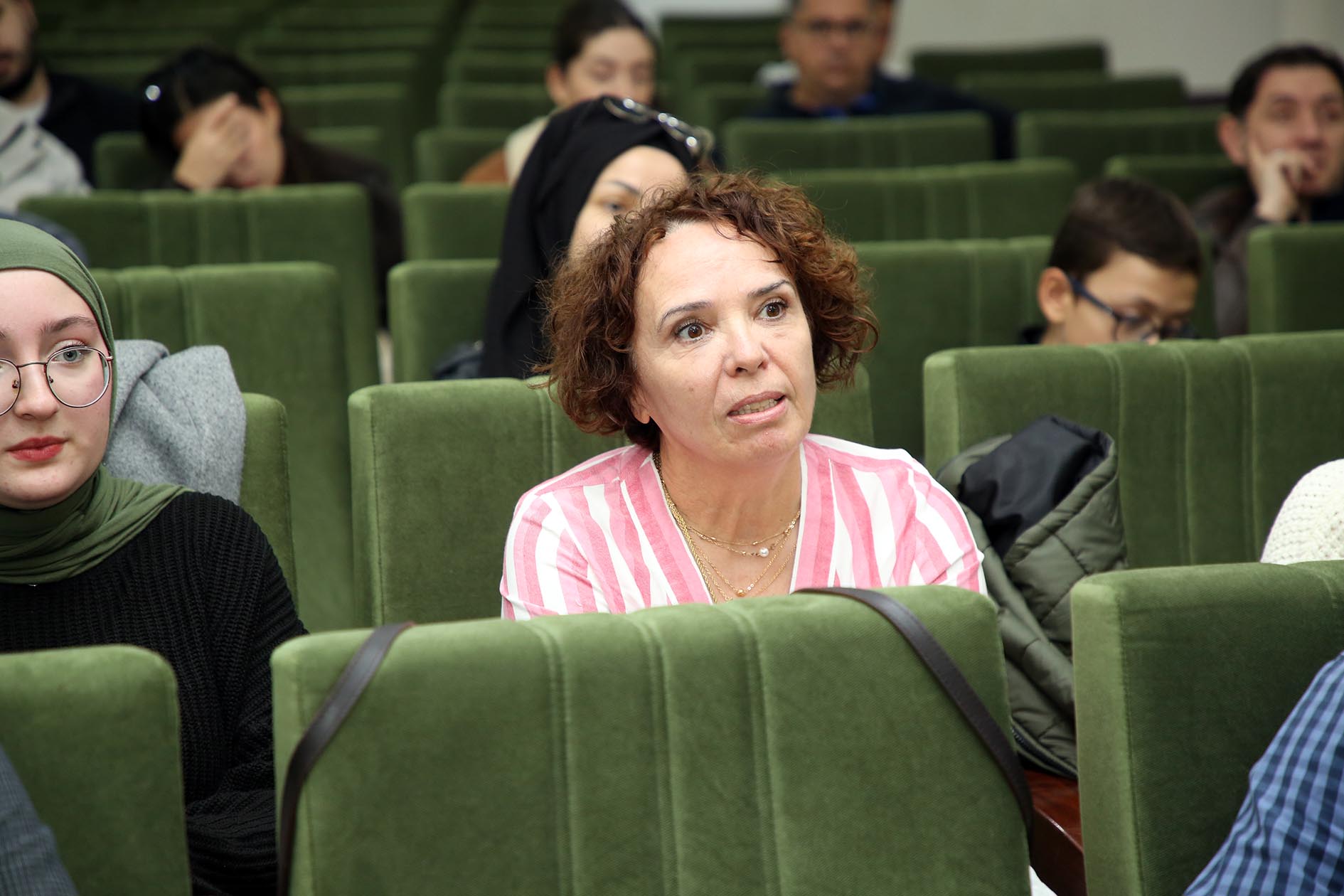
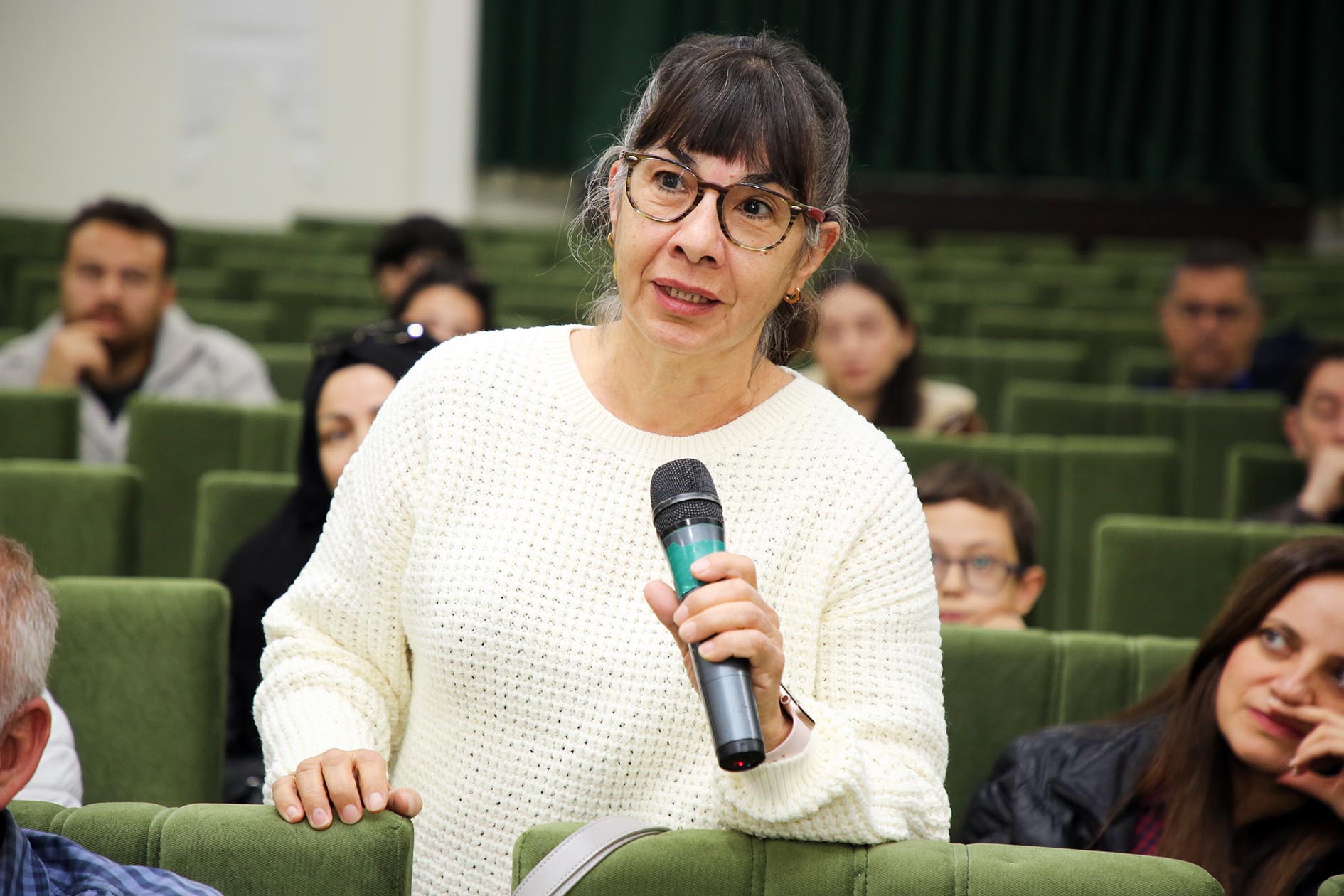
The session concluded with a Q&A segment, followed by the presentation of certificates of appreciation to the speakers by AKU Vice Rector Prof. Dr. Murat Peker.
 |
 |
 |
 |
 |
 |
 |
 |
 |
 |
 |
 |
 |
 |
 |
 |